AFDD 2-1.9, page 60
Targeting
Air Force Doctrine Document: Targeting
DTIC ADA454614 public copy
Searchable page text (OCR / PDF)
50
Emerging
Target
Emerging
Emerging
Target
Target
Probable TST
Probable TST
Probable TST
Fix, track, and target IAW established TST
procedures (see TST MTTP)
Fix, track, and target IAW established TST
Fix, track, and target IAW established TST
procedures (see TST MTTP)
procedures (see TST MTTP)
Probable Target
(non-TST)
Probable Target
Probable Target
(non
(non-TST)
TST)
Target IAW component priorities and
procedures, or…
Pass to planned targeting process
Target IAW component priorities and
Target IAW component priorities and
procedures, or…
procedures, or…
Pass to planned targeting process
Pass to planned targeting process
Not a target
Not a target
Not a target
Discard, or…
Enter on NSL
Discard, or…
Discard, or…
Enter on NSL
Enter on NSL
Unknown
Unknown
Unknown
Continue find phase
Continue find phase
Continue find phase
Find Phase Input
Find Phase
Determination
Action
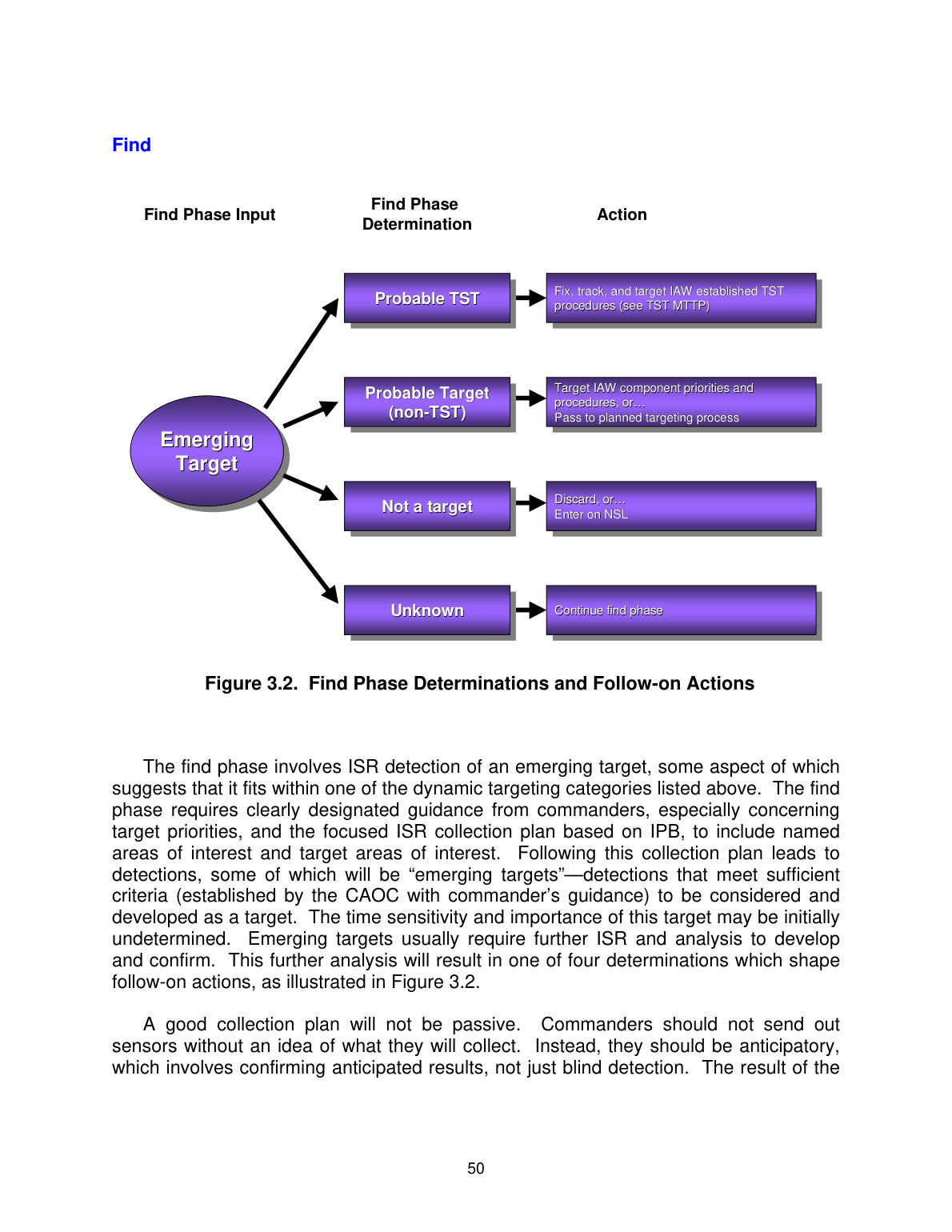
Figure 3.2. Find Phase Determinations and Follow-on Actions
Find
The find phase involves ISR detection of an emerging target, some aspect of which
suggests that it fits within one of the dynamic targeting categories listed above. The find
phase requires clearly designated guidance from commanders, especially concerning
target priorities, and the focused ISR collection plan based on IPB, to include named
areas of interest and target areas of interest. Following this collection plan leads to
detections, some of which will be “emerging targets”—detections that meet sufficient
criteria (established by the CAOC with commander’s guidance) to be considered and
developed as a target. The time sensitivity and importance of this target may be initially
undetermined. Emerging targets usually require further ISR and analysis to develop
and confirm. This further analysis will result in one of four determinations which shape
follow-on actions, as illustrated in Figure 3.2.
A good collection plan will not be passive. Commanders should not send out
sensors without an idea of what they will collect. Instead, they should be anticipatory,
which involves confirming anticipated results, not just blind detection. The result of the