MCRP 12-10B.1, page 43
Military Operations on Urbanized Terrain (MOUT)
Marine Corps Reference Publication: Military Operations on Urbanized Terrain (MOUT)
Public distribution statement A; S2 KOCOA cited as MCRP 12-10 b.1
Searchable page text (OCR / PDF)
b. Hasty Attack. A hasty attack is, in land operations, an attack in which preparation time
is traded for speed in order to exploit an opportunity (Jt Pub 1-02). Normally, hasty attacks
are conducted as a result of unexpected contact during movement through the built-up area or
when an opportunity for exploitation presents itself. Upon contact, the commander
immediately deploys, returns fire, reports the contact and situation, develops the situation, and
chooses a course of action. The hasty attack follows the same four phases as the deliberate
attack; however, the time between preparation and response is compacted.
2104. Warfighting Functions. The warfighting functions (WFs) encompass all activities in the
battlespace. Planners consider and integrate the warfighting functions when analyzing how best
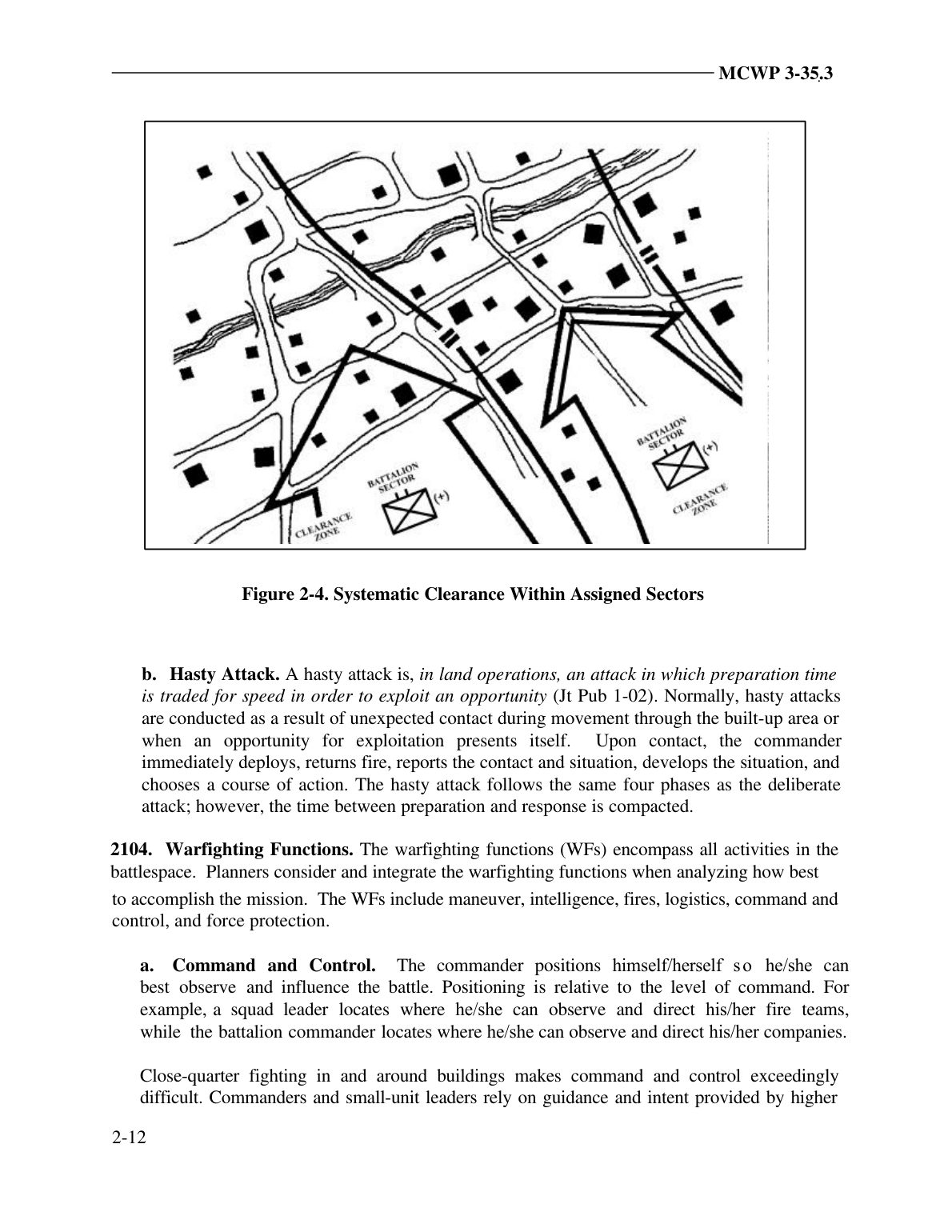
Figure 2-4. Systematic Clearance Within Assigned Sectors
to accomplish the mission. The WFs include maneuver, intelligence, fires, logistics, command and
control, and force protection.
a.
Command and Control. The commander positions himself/herself so he/she can
best observe and influence the battle. Positioning is relative to the level of command. For
example, a squad leader locates where he/she can observe and direct his/her fire teams,
while the battalion commander locates where he/she can observe and direct his/her companies.
Close-quarter fighting in and around buildings makes command and control exceedingly
difficult. Commanders and small-unit leaders rely on guidance and intent provided by higher
MCWP 3-35.3
2-12