JP 3-60, page 103
Joint Targeting
Joint Publication: Joint Targeting
31 January 2013 public edition
Searchable page text (OCR / PDF)
Component Targeting Processes
C-5
also essential that other components provide inputs to the JFACC’s air apportionment
recommendation to the JFC because it influences the strategy to task methodology used
during the joint air tasking cycle. If a JFACC is not used, this process will be conducted for
each Service component performing air operations.
(2) Stage 2 is target development. The specific objectives received during stage 1
are used to focus this effort. Targets are nominated to support the objectives and priorities
provided by the JFC. In accordance with the JFC’s objectives and component targeting
requirements, the JFACC (or Service component commander if a JFACC is not used)
conducts daily joint air planning for the employment of available capabilities and/or forces.
If the JFC designates an air component to merge other joint forces TNLs and develop the
draft JIPTL, the end product of the target development stage is the draft JIPTL that supports
the JFC’s prioritized objectives and conforms to guidance. In any case, the air component
uses this process to develop the air component’s TNL for inclusion in the draft JIPTL.
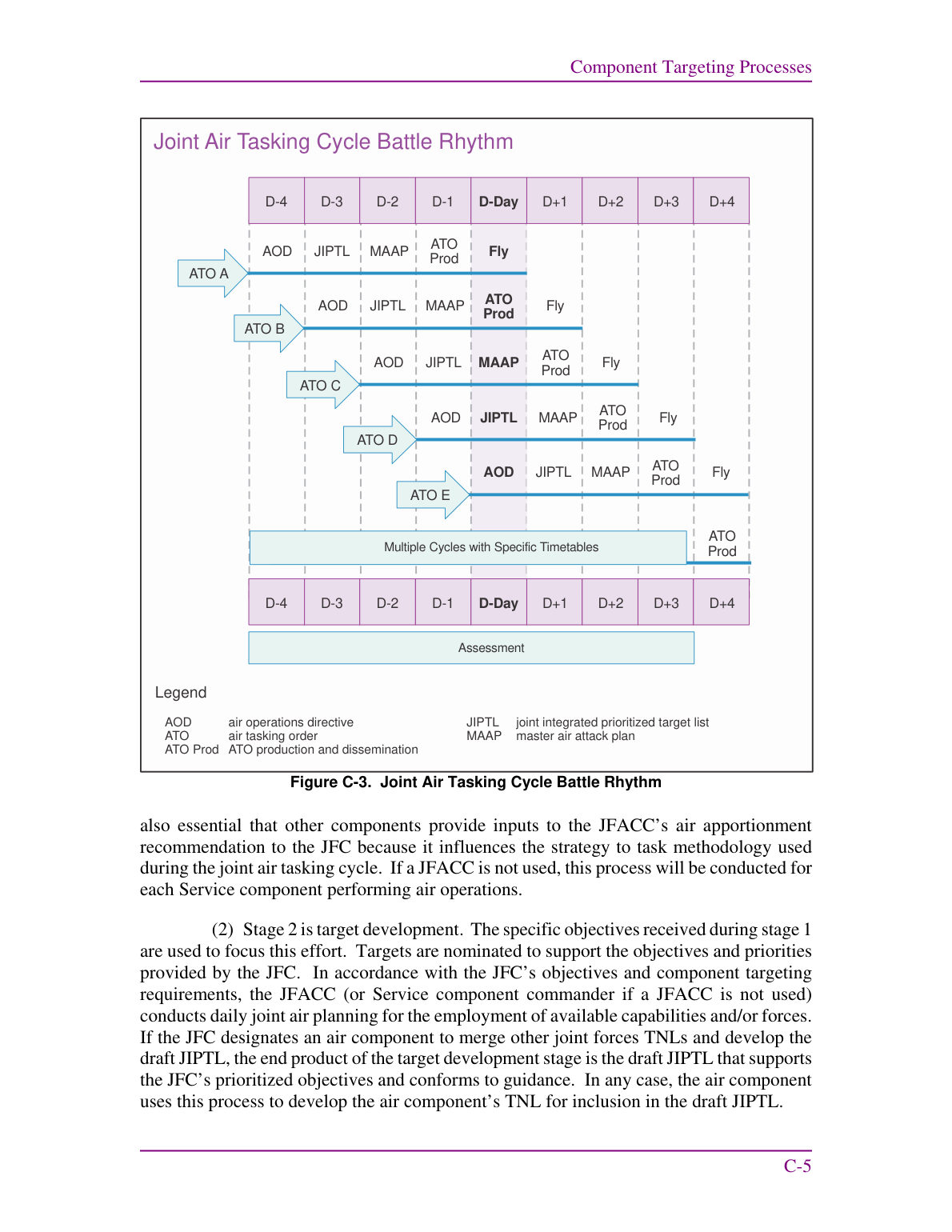
Figure C-3. Joint Air Tasking Cycle Battle Rhythm
Joint Air Tasking Cycle Battle Rhythm
Legend
AOD
air operations directive
ATO
air tasking order
ATO Prod ATO production and dissemination
JIPTL
joint integrated prioritized target list
MAAP
master air attack plan
Multiple Cycles with Specific Timetables
Assessment
ATO A
ATO B
ATO C
ATO D
ATO E
AOD
AOD
AOD
AOD
AOD
JIPTL
JIPTL
JIPTL
JIPTL
JIPTL
MAAP
MAAP
MAAP
MAAP
MAAP
ATO
Prod
ATO
Prod
ATO
Prod
ATO
Prod
ATO
Prod
ATO
Prod
Fly
Fly
Fly
Fly
Fly
D-Day
D-Day
D-1
D-1
D+4
D+4
D-2
D-2
D+3
D+3
D-3
D-3
D+2
D+2
D-4
D-4
D+1
D+1