MCRP 12-10B.1, page 110
Military Operations on Urbanized Terrain (MOUT)
Marine Corps Reference Publication: Military Operations on Urbanized Terrain (MOUT)
Public distribution statement A; S2 KOCOA cited as MCRP 12-10 b.1
Searchable page text (OCR / PDF)
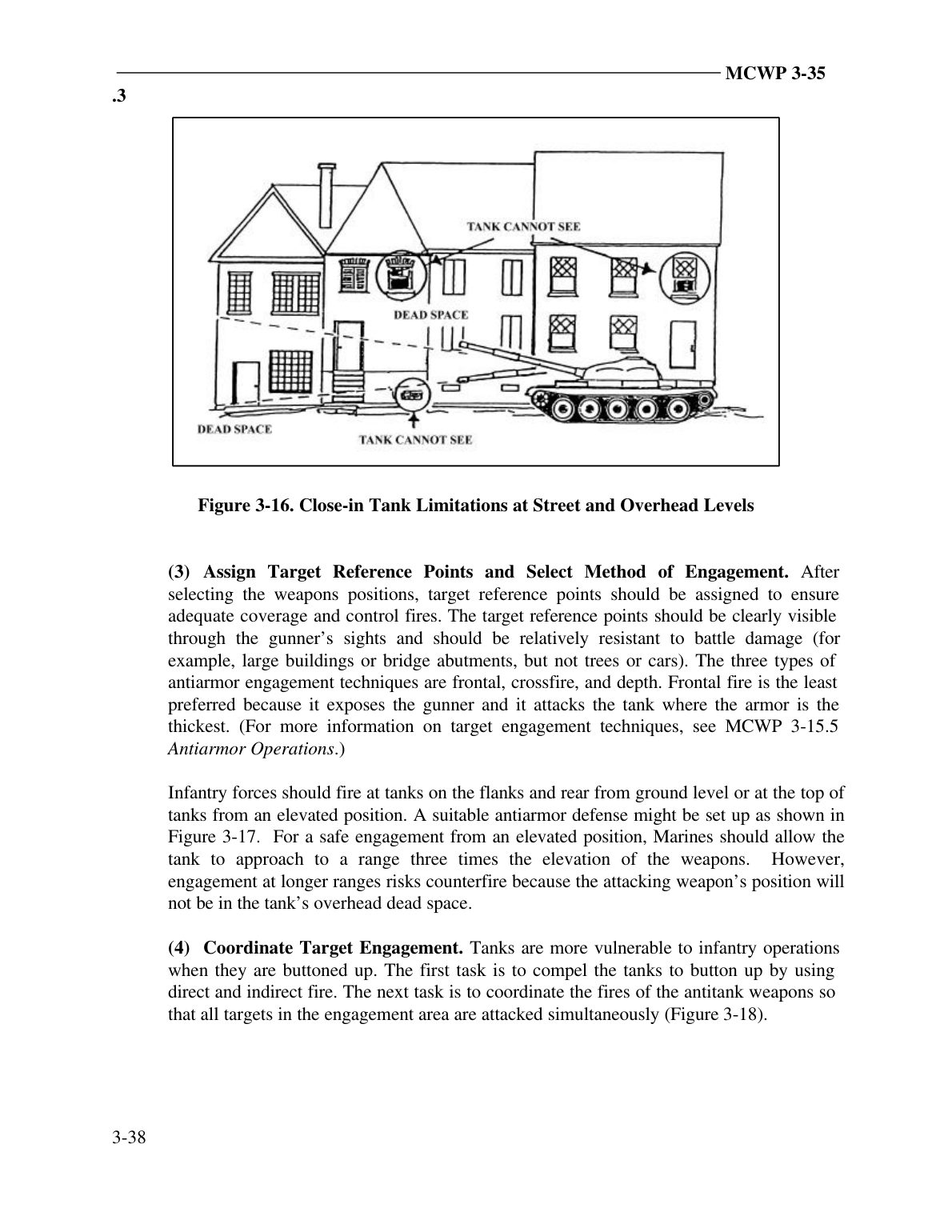
Figure 3-16. Close-in Tank Limitations at Street and Overhead Levels
(3) Assign Target Reference Points and Select Method of Engagement. After
selecting the weapons positions, target reference points should be assigned to ensure
adequate coverage and control fires. The target reference points should be clearly visible
through the gunner’s sights and should be relatively resistant to battle damage (for
example, large buildings or bridge abutments, but not trees or cars). The three types of
antiarmor engagement techniques are frontal, crossfire, and depth. Frontal fire is the least
preferred because it exposes the gunner and it attacks the tank where the armor is the
thickest. (For more information on target engagement techniques, see MCWP 3-15.5
Antiarmor Operations.)
Infantry forces should fire at tanks on the flanks and rear from ground level or at the top of
tanks from an elevated position. A suitable antiarmor defense might be set up as shown in
Figure 3-17. For a safe engagement from an elevated position, Marines should allow the
tank to approach to a range three times the elevation of the weapons. However,
engagement at longer ranges risks counterfire because the attacking weapon’s position will
not be in the tank’s overhead dead space.
(4) Coordinate Target Engagement. Tanks are more vulnerable to infantry operations
when they are buttoned up. The first task is to compel the tanks to button up by using
direct and indirect fire. The next task is to coordinate the fires of the antitank weapons so
that all targets in the engagement area are attacked simultaneously (Figure 3-18).
MCWP 3-35
.3
3-38