MCRP 12-10B.1, page 167
Military Operations on Urbanized Terrain (MOUT)
Marine Corps Reference Publication: Military Operations on Urbanized Terrain (MOUT)
Public distribution statement A; S2 KOCOA cited as MCRP 12-10 b.1
Searchable page text (OCR / PDF)
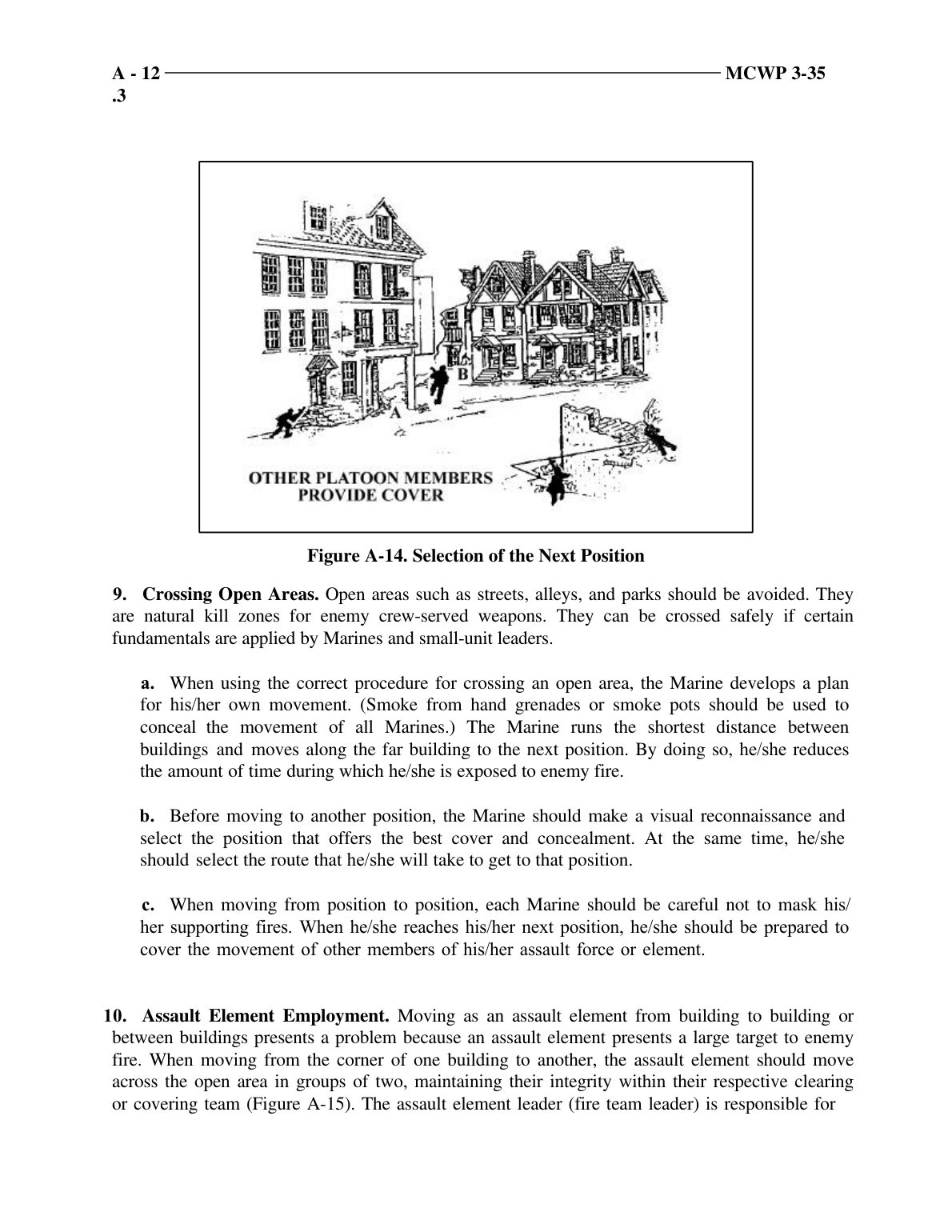
Figure A-14. Selection of the Next Position
9.
Crossing Open Areas. Open areas such as streets, alleys, and parks should be avoided. They
are natural kill zones for enemy crew-served weapons. They can be crossed safely if certain
fundamentals are applied by Marines and small-unit leaders.
a.
When using the correct procedure for crossing an open area, the Marine develops a plan
for his/her own movement. (Smoke from hand grenades or smoke pots should be used to
conceal the movement of all Marines.) The Marine runs the shortest distance between
buildings and moves along the far building to the next position. By doing so, he/she reduces
the amount of time during which he/she is exposed to enemy fire.
b.
Before moving to another position, the Marine should make a visual reconnaissance and
select the position that offers the best cover and concealment. At the same time, he/she
should select the route that he/she will take to get to that position.
c.
When moving from position to position, each Marine should be careful not to mask his/
her supporting fires. When he/she reaches his/her next position, he/she should be prepared to
cover the movement of other members of his/her assault force or element.
10.
Assault Element Employment. Moving as an assault element from building to building or
between buildings presents a problem because an assault element presents a large target to enemy
fire. When moving from the corner of one building to another, the assault element should move
across the open area in groups of two, maintaining their integrity within their respective clearing
or covering team (Figure A-15). The assault element leader (fire team leader) is responsible for
A - 12
MCWP 3-35
.3