MCRP 12-10B.1, page 247
Military Operations on Urbanized Terrain (MOUT)
Marine Corps Reference Publication: Military Operations on Urbanized Terrain (MOUT)
Public distribution statement A; S2 KOCOA cited as MCRP 12-10 b.1
Searchable page text (OCR / PDF)
(c) The floor size should be at least 15 feet by 12 feet. (The larger the room, the
better.)
(d) At least 20 square feet of ventilation (room openings) should exist to the rear or
side of the weapon. An open 7- by 3-foot door would provide minimum ventilation.
(e) All glass should be removed from windows, and small, loose objects should be
removed from the room.
(f) Floors should be wet to prevent dust and dirt from blowing around and obscuring
the gunner’s vision.
(g) All personnel in the room should be forward of the rear of the weapon.
(h) All personnel in the room should wear helmets, protective vests, ballistic eye
protection, and earplugs.
(i) If the gunner is firing from the prone position, his/her lower body must
be perpendicular to the bore of the weapon, or the blast could cause injury to his/her
legs.
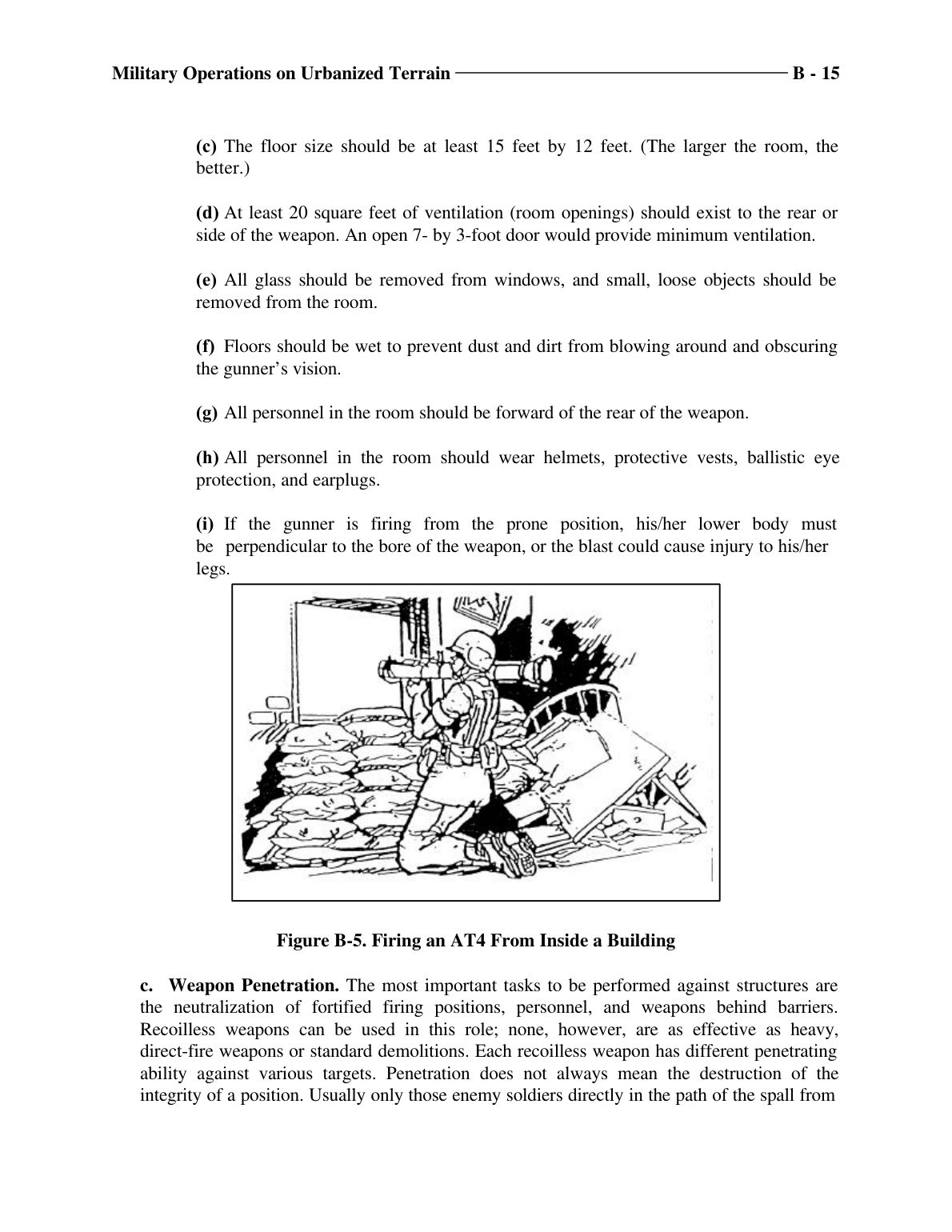
Figure B-5. Firing an AT4 From Inside a Building
c.
Weapon Penetration. The most important tasks to be performed against structures are
the neutralization of fortified firing positions, personnel, and weapons behind barriers.
Recoilless weapons can be used in this role; none, however, are as effective as heavy,
direct-fire weapons or standard demolitions. Each recoilless weapon has different penetrating
ability against various targets. Penetration does not always mean the destruction of the
integrity of a position. Usually only those enemy soldiers directly in the path of the spall from
Military Operations on Urbanized Terrain
B - 15