ATP 2-33.4, page 72
Intelligence Analysis
Army Techniques Publication: Intelligence Analysis
2014 public edition (Archive.org)
Searchable page text (OCR / PDF)
Chapter 5
5-18
ATP 2-33.4
18 August 2014
Note. Military organizations’ order of battle is a type of hierarchical network in which the cell
leaders are military commanders and leaders. Unlike insurgent or terrorist cell organization,
military organization and leadership is generally known by all members of the organization.
Networked structure:
The analyst will encounter increasingly broader systems of networks as groups become
more experienced. Groups based on religious or single-issue motives may lack a specific
political or nationalistic agenda. They have less need for a hierarchical structure to
coordinate plans and actions. Instead, they can depend and even thrive on loose affiliation
with groups or individuals from a variety of locations. General goals and targets are
announced and individuals or cells are expected to use flexibility and initiative to conduct
action in support of these guidelines.
The effectiveness of a networked organization is dependent on several considerations. The
network achieves long-term organizational effectiveness when cells share a unifying
ideology, common goals, or mutual interests. A difficulty for network organizations not
sharing a unifying ideology is cells can pursue objectives or take actions that do not meet
the goals of the organization, or are counterproductive. In this instance, the independence of
cells fails to develop synergy between their activities and limits their contribution to
common or selective objectives.
Networks distribute the responsibility for operations and plan for redundancies of key
functions. Cells do not contact or coordinate with other cells except for coordination
essential to a particular operation or function. Avoiding unnecessary coordination or
command approval for action provides ability for terrorist leaders to deny responsibility of
specified acts of terror, as well as to enhance operational security.
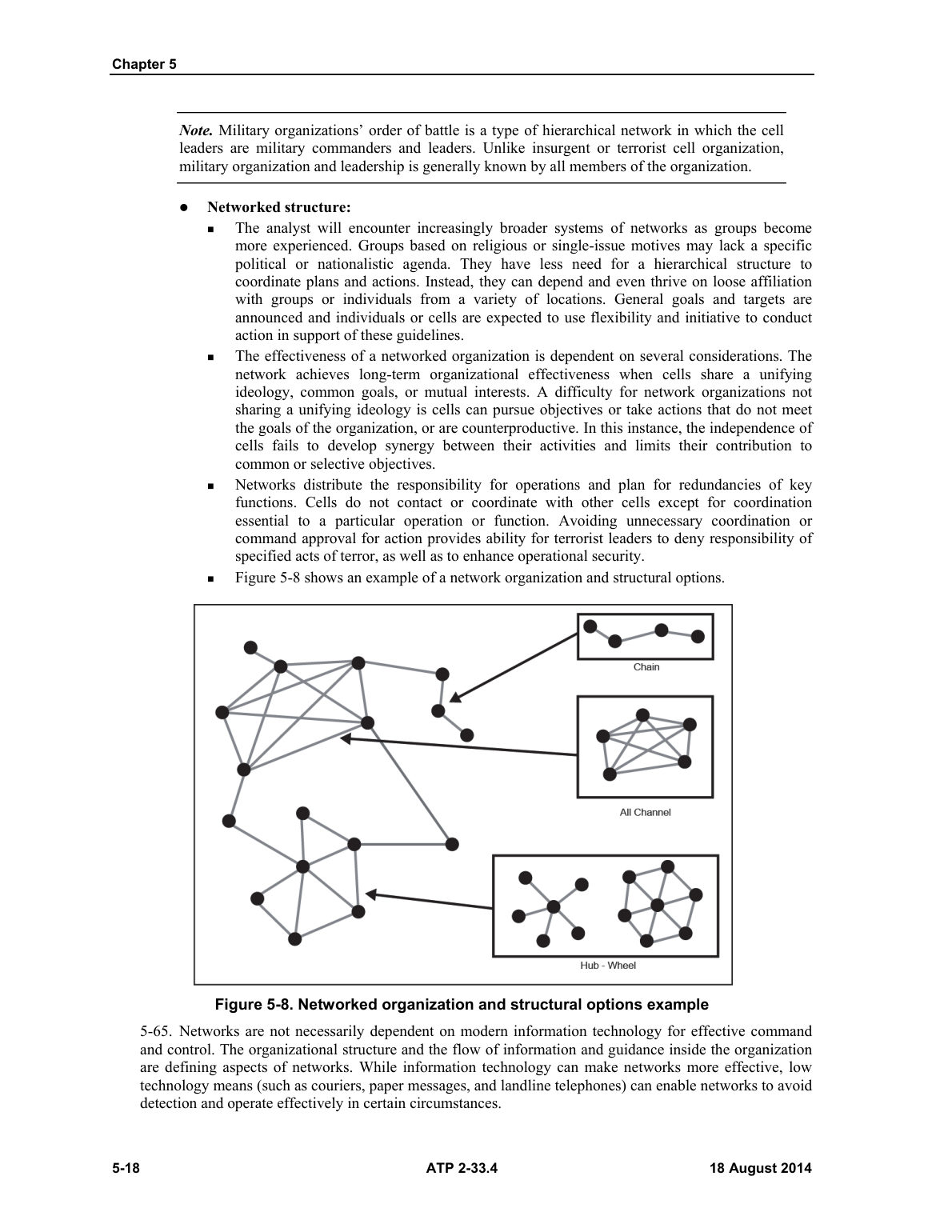
Figure 5-8 shows an example of a network organization and structural options.
Figure 5-8. Networked organization and structural options example
5-65. Networks are not necessarily dependent on modern information technology for effective command
and control. The organizational structure and the flow of information and guidance inside the organization
are defining aspects of networks. While information technology can make networks more effective, low
technology means (such as couriers, paper messages, and landline telephones) can enable networks to avoid
detection and operate effectively in certain circumstances.