JP 3-0, page 106
Joint Operations
Joint Publication: Joint Operations
11 August 2011 public edition
Searchable page text (OCR / PDF)
Chapter IV
IV-14
JP 3-0
(2) In some operations, a Service or functional component (typically the ground
component) could have such a large operational area that the component’s subordinate
units operate in a noncontiguous manner, widely distributed and beyond mutually
supporting range of each other. In these cases, the JFC should consider options whereby
joint capabilities can be pushed to lower levels and placed under control of units that can
use them effectively.
e. Considerations When Assuming Responsibility for an Operational Area. The
establishing commander should activate an assigned operational area at a specified date
and time based on mission and situation considerations addressed during COA analysis
and wargaming. Among others, common considerations include C2, the information
environment, intelligence requirements, communications support, protection, security,
LOCs, terrain management, movement control, airspace control, surveillance,
reconnaissance, air and missile defense, PR, targeting and fires, interorganizational
interactions, and environmental issues.
For specific guidance on assuming responsibility for an operational area, refer to JP 3-
33, Joint Task Force Headquarters.
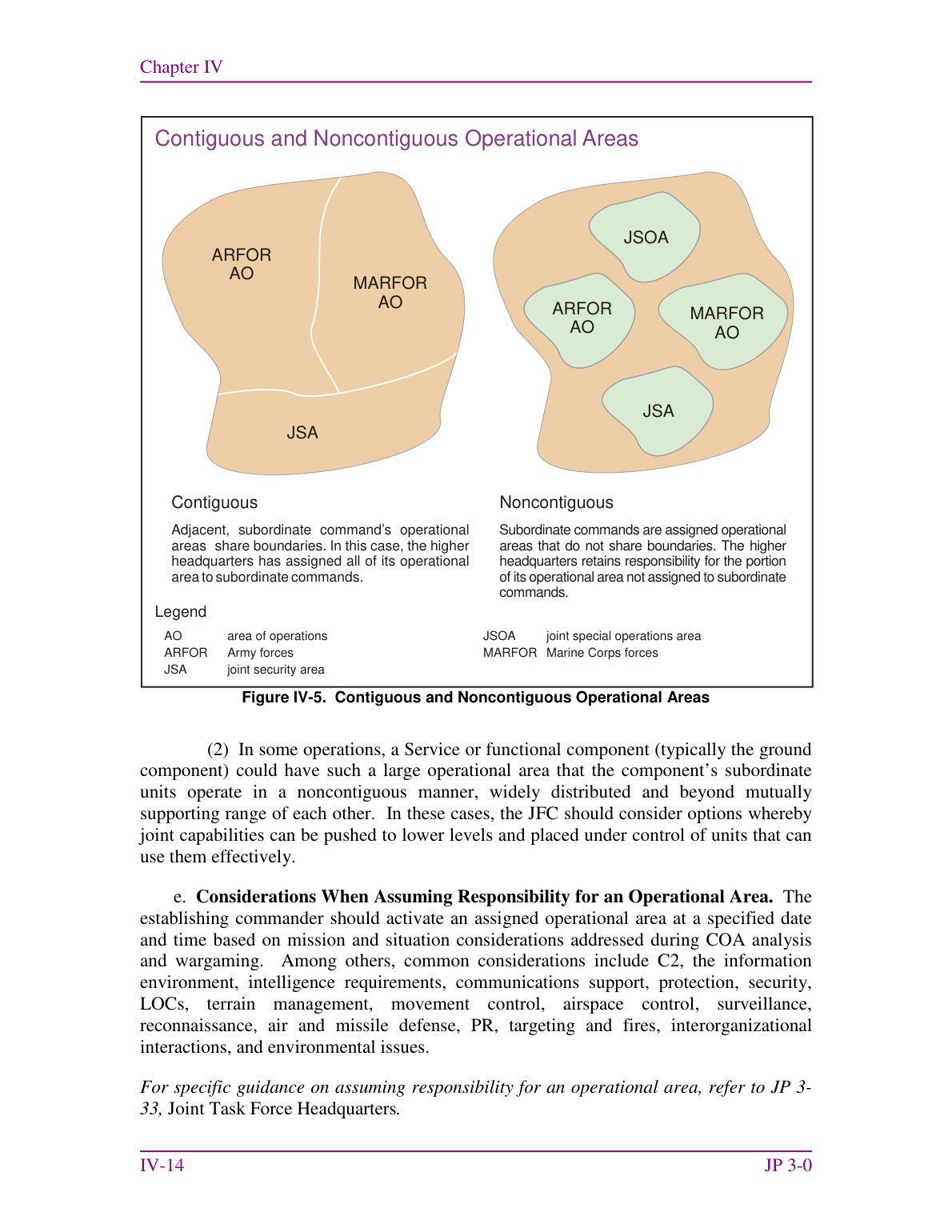
Figure IV-5. Contiguous and Noncontiguous Operational Areas
Contiguous and Noncontiguous Operational Areas
Adjacent, subordinate command’s operational
areas share boundaries. In this case, the higher
headquarters has assigned all of its operational
area to subordinate commands.
Contiguous
Noncontiguous
Subordinate commands are assigned operational
areas that do not share boundaries. The higher
headquarters retains responsibility for the portion
of its operational area not assigned to subordinate
commands.
MARFOR
AO
ARFOR
AO
JSA
MARFOR
AO
JSA
JSOA
ARFOR
AO
Legend
AO
area of operations
ARFOR
Army forces
JSA
joint security area
JSOA
joint special operations area
MARFOR Marine Corps forces