JP 3-60, page 36
Joint Targeting
Joint Publication: Joint Targeting
31 January 2013 public edition
Searchable page text (OCR / PDF)
Chapter II
II-6
JP 3-60
capabilities. JIPOE helps target developers prioritize an adversary’s target systems based on
how much each contributes to the adversary’s ability to wage war.
(b) Establishing intelligence requirements is critical to the success of target
development and to the entire targeting process. Targeteers should work closely with
collection managers, intelligence analysts, and planners to develop, adjust, and integrate
intelligence requirements for planning, execution, and assessment throughout the targeting
cycle and integrate them into the collection plan. This iterative process should also quickly
incorporate changes needed to adapt to a rapidly evolving operational environment.
(3) Joint Intelligence Preparation of the Operational Environment
(a) The JIPOE process is a fundamental step in the planning process and is
important to target development. This is because JIPOE provides a disciplined methodology
that provides an understanding of the relationship between adversary COGs. This baseline
intelligence illuminates which decisive points offer opportunity to attack the adversary’s
COGs (directly and indirectly), extend friendly operational reach, or enable the application
of friendly forces and capabilities. Targeteers and planners should resolve any
misunderstanding or unclear objectives. Along with a dynamic threat assessment, JIPOE
products provide much of the substantive identification, baseline analysis, characterization of
systems, functional capabilities that inform target development, and target systems analysis.
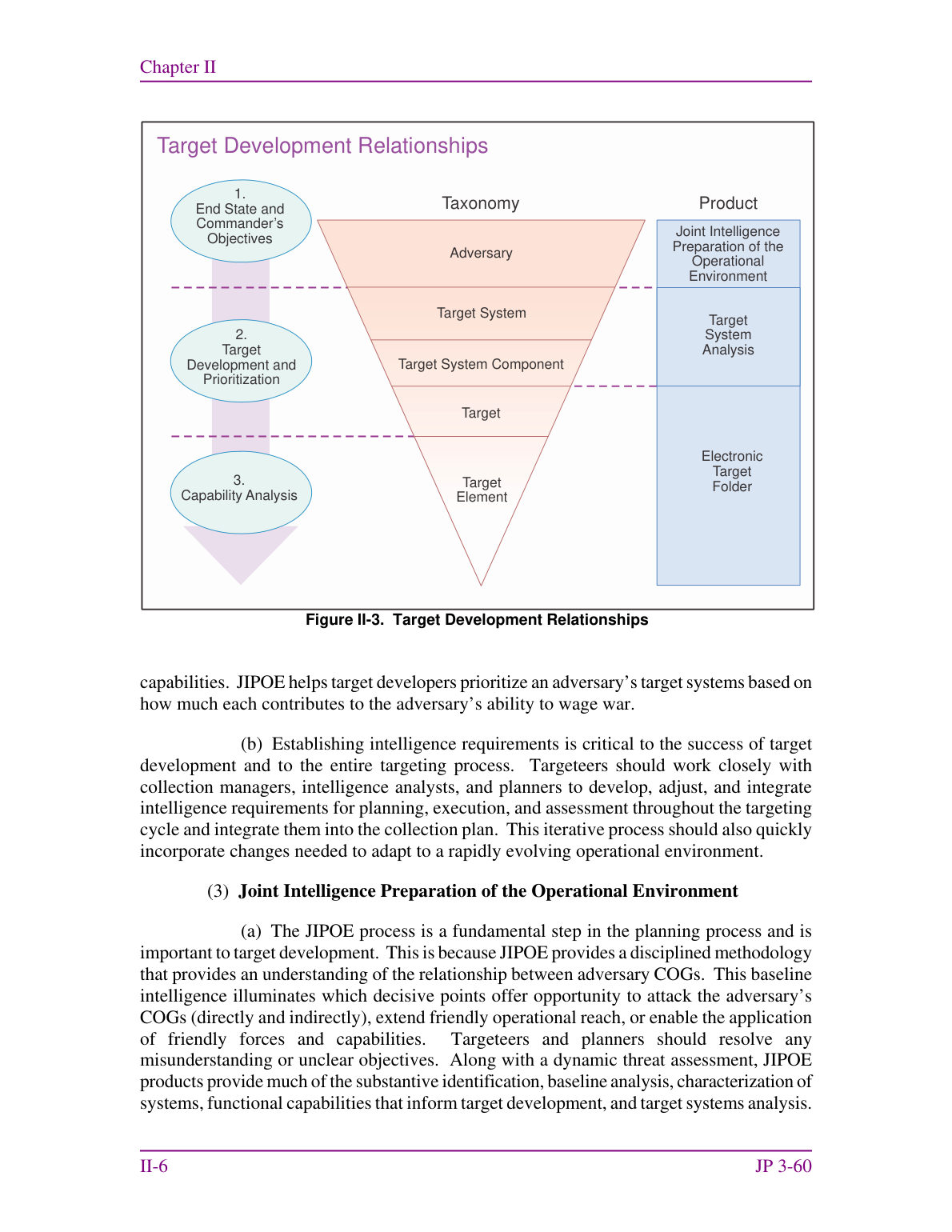
Figure II-3. Target Development Relationships
Target Development Relationships
1.
End State and
Commander’s
Objectives
Joint Intelligence
Preparation of the
Operational
Environment
Target
System
Analysis
Electronic
Target
Folder
Adversary
Target System
Target System Component
Target
Target
Element
Taxonomy
Product
2.
Target
Development and
Prioritization
3.
Capability Analysis