ATP 2-33.4, page 102
Intelligence Analysis
Army Techniques Publication: Intelligence Analysis
2014 public edition (Archive.org)
Searchable page text (OCR / PDF)
Chapter 7
7-4
ATP 2-33.4
18 August 2014
FOR OFFICIAL USE ONLY
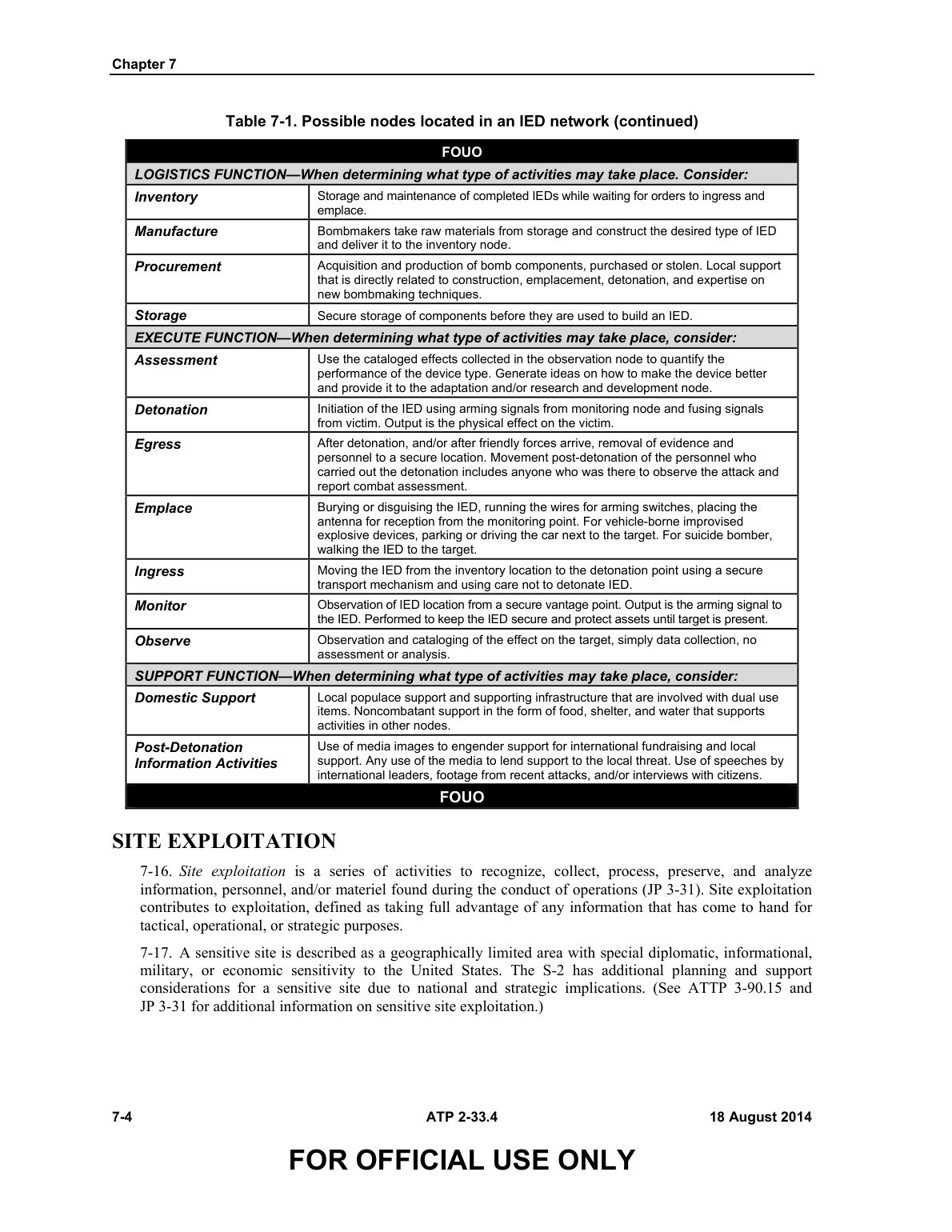
Table 7-1. Possible nodes located in an IED network (continued)
FOUO
LOGISTICS FUNCTION—When determining what type of activities may take place. Consider:
Inventory
Storage and maintenance of completed IEDs while waiting for orders to ingress and
emplace.
Manufacture
Bombmakers take raw materials from storage and construct the desired type of IED
and deliver it to the inventory node.
Procurement
Acquisition and production of bomb components, purchased or stolen. Local support
that is directly related to construction, emplacement, detonation, and expertise on
new bombmaking techniques.
Storage
Secure storage of components before they are used to build an IED.
EXECUTE FUNCTION—When determining what type of activities may take place, consider:
Assessment
Use the cataloged effects collected in the observation node to quantify the
performance of the device type. Generate ideas on how to make the device better
and provide it to the adaptation and/or research and development node.
Detonation
Initiation of the IED using arming signals from monitoring node and fusing signals
from victim. Output is the physical effect on the victim.
Egress
After detonation, and/or after friendly forces arrive, removal of evidence and
personnel to a secure location. Movement post-detonation of the personnel who
carried out the detonation includes anyone who was there to observe the attack and
report combat assessment.
Emplace
Burying or disguising the IED, running the wires for arming switches, placing the
antenna for reception from the monitoring point. For vehicle-borne improvised
explosive devices, parking or driving the car next to the target. For suicide bomber,
walking the IED to the target.
Ingress
Moving the IED from the inventory location to the detonation point using a secure
transport mechanism and using care not to detonate IED.
Monitor
Observation of IED location from a secure vantage point. Output is the arming signal to
the IED. Performed to keep the IED secure and protect assets until target is present.
Observe
Observation and cataloging of the effect on the target, simply data collection, no
assessment or analysis.
SUPPORT FUNCTION—When determining what type of activities may take place, consider:
Domestic Support
Local populace support and supporting infrastructure that are involved with dual use
items. Noncombatant support in the form of food, shelter, and water that supports
activities in other nodes.
Post-Detonation
Information Activities
Use of media images to engender support for international fundraising and local
support. Any use of the media to lend support to the local threat. Use of speeches by
international leaders, footage from recent attacks, and/or interviews with citizens.
FOUO
SITE EXPLOITATION
7-16. Site exploitation is a series of activities to recognize, collect, process, preserve, and analyze
information, personnel, and/or materiel found during the conduct of operations (JP 3-31). Site exploitation
contributes to exploitation, defined as taking full advantage of any information that has come to hand for
tactical, operational, or strategic purposes.
7-17. A sensitive site is described as a geographically limited area with special diplomatic, informational,
military, or economic sensitivity to the United States. The S-2 has additional planning and support
considerations for a sensitive site due to national and strategic implications. (See ATTP 3-90.15 and
JP 3-31 for additional information on sensitive site exploitation.)