ATP 2-33.4, page 127
Intelligence Analysis
Army Techniques Publication: Intelligence Analysis
2014 public edition (Archive.org)
Searchable page text (OCR / PDF)
Indicators in Decisive Action
18 August 2014
ATP 2-33.4
B-3
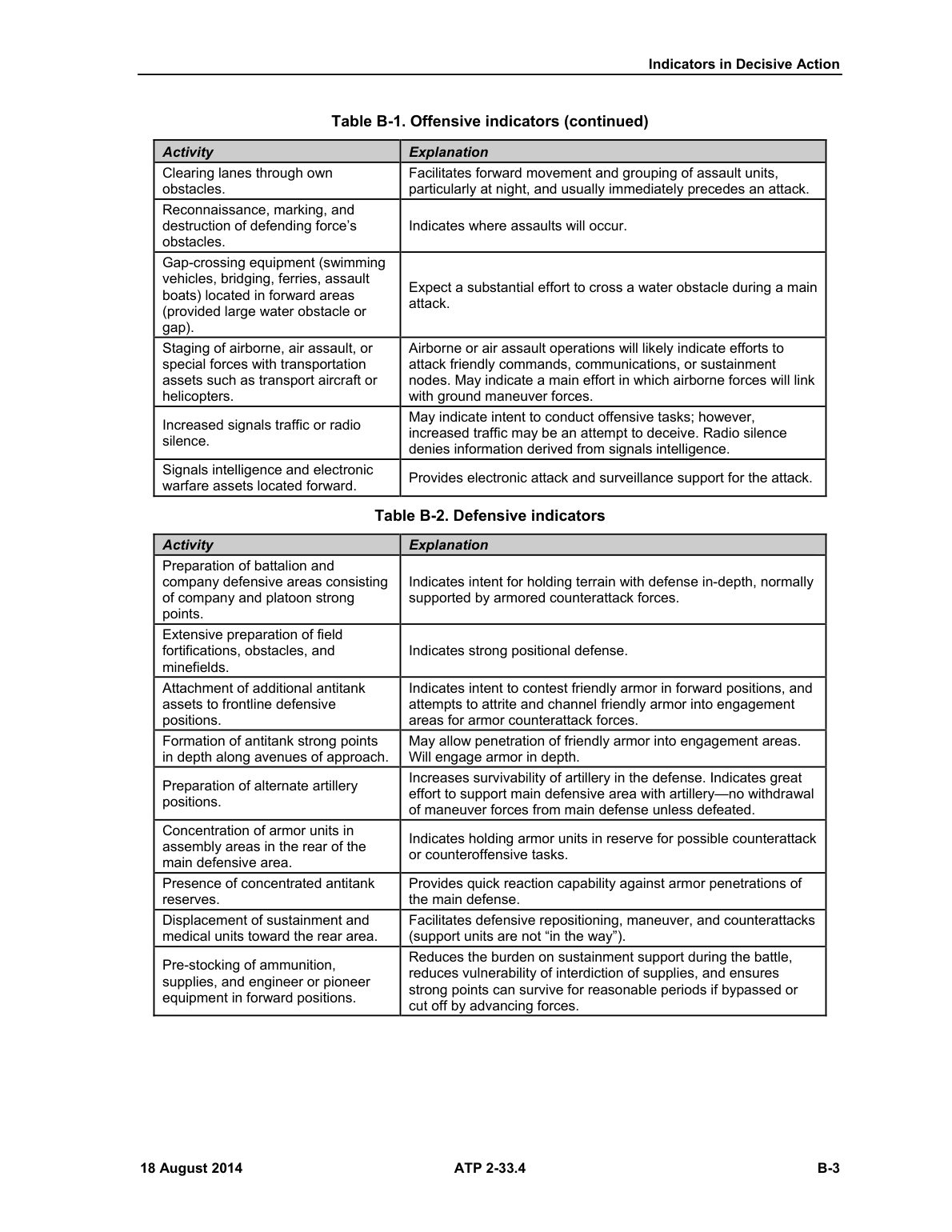
Table B-1. Offensive indicators (continued)
Activity
Explanation
Clearing lanes through own
obstacles.
Facilitates forward movement and grouping of assault units,
particularly at night, and usually immediately precedes an attack.
Reconnaissance, marking, and
destruction of defending force’s
obstacles.
Indicates where assaults will occur.
Gap-crossing equipment (swimming
vehicles, bridging, ferries, assault
boats) located in forward areas
(provided large water obstacle or
gap).
Expect a substantial effort to cross a water obstacle during a main
attack.
Staging of airborne, air assault, or
special forces with transportation
assets such as transport aircraft or
helicopters.
Airborne or air assault operations will likely indicate efforts to
attack friendly commands, communications, or sustainment
nodes. May indicate a main effort in which airborne forces will link
with ground maneuver forces.
Increased signals traffic or radio
silence.
May indicate intent to conduct offensive tasks; however,
increased traffic may be an attempt to deceive. Radio silence
denies information derived from signals intelligence.
Signals intelligence and electronic
warfare assets located forward.
Provides electronic attack and surveillance support for the attack.
Table B-2. Defensive indicators
Activity
Explanation
Preparation of battalion and
company defensive areas consisting
of company and platoon strong
points.
Indicates intent for holding terrain with defense in-depth, normally
supported by armored counterattack forces.
Extensive preparation of field
fortifications, obstacles, and
minefields.
Indicates strong positional defense.
Attachment of additional antitank
assets to frontline defensive
positions.
Indicates intent to contest friendly armor in forward positions, and
attempts to attrite and channel friendly armor into engagement
areas for armor counterattack forces.
Formation of antitank strong points
in depth along avenues of approach.
May allow penetration of friendly armor into engagement areas.
Will engage armor in depth.
Preparation of alternate artillery
positions.
Increases survivability of artillery in the defense. Indicates great
effort to support main defensive area with artillery—no withdrawal
of maneuver forces from main defense unless defeated.
Concentration of armor units in
assembly areas in the rear of the
main defensive area.
Indicates holding armor units in reserve for possible counterattack
or counteroffensive tasks.
Presence of concentrated antitank
reserves.
Provides quick reaction capability against armor penetrations of
the main defense.
Displacement of sustainment and
medical units toward the rear area.
Facilitates defensive repositioning, maneuver, and counterattacks
(support units are not “in the way”).
Pre-stocking of ammunition,
supplies, and engineer or pioneer
equipment in forward positions.
Reduces the burden on sustainment support during the battle,
reduces vulnerability of interdiction of supplies, and ensures
strong points can survive for reasonable periods if bypassed or
cut off by advancing forces.